

News
Environmental Crisis Looms in Delta as Unchecked Dredging Threatens Infrastructure, Ecosystems – Mulade

By Francis Sadhere, Warri
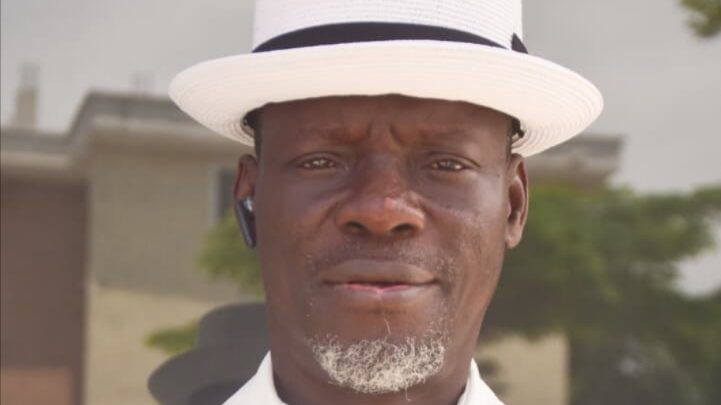
Environmental and peace advocate Chief (Comrade) Mulade Sheriff, PhD, has sounded an urgent warning over escalating ecological damage in Delta State, calling on Governor Rt. Hon. Sheriff Oborevwori to immediately confront what he termed an “impending environmental disaster” driven by poorly regulated dredging.
Mulade, a Delta State-born environmentalist, said the surge in dredging operations across the state is being carried out with little regard for long-term ecological fallout.
He flagged multiple sites excavating dangerously close to highways, bridges, and community waterways — activities that risk destabilizing soil structures, accelerating erosion, and dismantling natural flood defenses that millions depend on.
While acknowledging dredging’s economic role, Mulade insisted it must not override environmental integrity. “When you strip riverbeds and wetlands beside major infrastructure, you are literally undermining the earth that holds up roads and bridges.
“The consequences won’t just be catastrophic infrastructure failure — we’ll see collapsed fisheries, destroyed mangrove buffers, poisoned aquifers, and entire communities erased by preventable floods,” he said.
He warned that Delta’s fragile Niger Delta ecosystem — already battered by climate change — cannot absorb further assault. Rising flood frequency and intensity across the state, he noted, are symptoms of a deeper environmental breakdown worsened by unregulated resource extraction.
Mulade urged the Delta State Ministry of Environment and all regulatory bodies to shift from passive oversight to aggressive enforcement.
He called for immediate environmental and geotechnical risk assessments at all active and proposed dredging sites to map impacts on waterways, soil stability, biodiversity, and surrounding communities.
He also demanded mandatory environmental impact evaluations before any new dredging permit is issued, aligned with international best practices.
On climate resilience, he insisted policy must move beyond rhetoric: “Climate plans must leave the conference room and enter the swamps, rivers, and streets,” Mulade said. Prevention must replace costly, reactive disaster response.
“The cost of prevention is always lower than the cost of rebuilding after an ecosystem collapses — or after a bridge carrying schoolchildren gives way,” he stressed.
To build grassroots resilience, Mulade proposed state-backed, community-based flood volunteer networks. Local residents, he argued, are the first to detect rising water levels, blocked natural channels, and early signs of erosion. Trained and empowered, they can form a living early-warning system that bridges government agencies and vulnerable communities.
He also challenged the state to prioritize ecological engineering over political optics: functional drainage networks, restored wetlands, proper stormwater channels, and sustainable flood control infrastructure. “Invest in the earth, not in climate-flood negotiators who do photo ops while the root causes rot,” he said. “Sustainable flood management is science and soil — not patronage.”
Mulade called for unified action among ministries, environmental agencies, local councils, and traditional institutions to enforce stricter dredging regulation, launch public ecological literacy campaigns, and maintain continuous monitoring of sensitive zones.
Failure to act, he cautioned, will trigger cascading losses: severe flooding, irreversible erosion, infrastructure collapse, biodiversity loss, and economic devastation across Delta’s riverine communities.
Yet Mulade remains hopeful, saying that Delta State has the natural wealth to prosper without sacrificing its environment.
“With decisive leadership, real regulation, and community stewardship, we can defuse these ecological threats. Our generation can still choose sustainability over short-term gain — for ourselves and those yet unborn,” he added.
Environmental and peace advocate Chief (Comrade) Mulade Sheriff, PhD, has sounded an urgent warning over escalating ecological damage in Delta State, calling on Governor Rt. Hon. Sheriff Oborevwori to immediately confront what he termed an “impending environmental disaster” driven by poorly regulated dredging.
Mulade, a Delta State-born environmentalist, said the surge in dredging operations across the state is being carried out with little regard for long-term ecological fallout.
He flagged multiple sites excavating dangerously close to highways, bridges, and community waterways — activities that risk destabilizing soil structures, accelerating erosion, and dismantling natural flood defenses that millions depend on.
While acknowledging dredging’s economic role, Mulade insisted it must not override environmental integrity. “When you strip riverbeds and wetlands beside major infrastructure, you are literally undermining the earth that holds up roads and bridges.
“The consequences won’t just be catastrophic infrastructure failure — we’ll see collapsed fisheries, destroyed mangrove buffers, poisoned aquifers, and entire communities erased by preventable floods,” he said.
He warned that Delta’s fragile Niger Delta ecosystem — already battered by climate change — cannot absorb further assault. Rising flood frequency and intensity across the state, he noted, are symptoms of a deeper environmental breakdown worsened by unregulated resource extraction.
Mulade urged the Delta State Ministry of Environment and all regulatory bodies to shift from passive oversight to aggressive enforcement.
He called for immediate environmental and geotechnical risk assessments at all active and proposed dredging sites to map impacts on waterways, soil stability, biodiversity, and surrounding communities.
He also demanded mandatory environmental impact evaluations before any new dredging permit is issued, aligned with international best practices.
On climate resilience, he insisted policy must move beyond rhetoric: “Climate plans must leave the conference room and enter the swamps, rivers, and streets,” Mulade said. Prevention must replace costly, reactive disaster response.
“The cost of prevention is always lower than the cost of rebuilding after an ecosystem collapses — or after a bridge carrying schoolchildren gives way,” he stressed.
To build grassroots resilience, Mulade proposed state-backed, community-based flood volunteer networks. Local residents, he argued, are the first to detect rising water levels, blocked natural channels, and early signs of erosion. Trained and empowered, they can form a living early-warning system that bridges government agencies and vulnerable communities.
He also challenged the state to prioritize ecological engineering over political optics: functional drainage networks, restored wetlands, proper stormwater channels, and sustainable flood control infrastructure. “Invest in the earth, not in climate-flood negotiators who do photo ops while the root causes rot,” he said. “Sustainable flood management is science and soil — not patronage.”
Mulade called for unified action among ministries, environmental agencies, local councils, and traditional institutions to enforce stricter dredging regulation, launch public ecological literacy campaigns, and maintain continuous monitoring of sensitive zones.
Failure to act, he cautioned, will trigger cascading losses: severe flooding, irreversible erosion, infrastructure collapse, biodiversity loss, and economic devastation across Delta’s riverine communities.
Yet Mulade remains hopeful, saying that Delta State has the natural wealth to prosper without sacrificing its environment.
“With decisive leadership, real regulation, and community stewardship, we can defuse these ecological threats. Our generation can still choose sustainability over short-term gain — for ourselves and those yet unborn,” he added.


