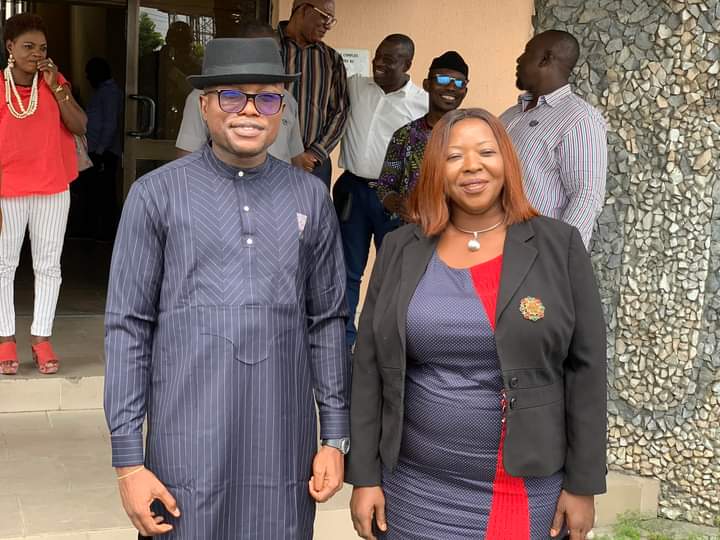
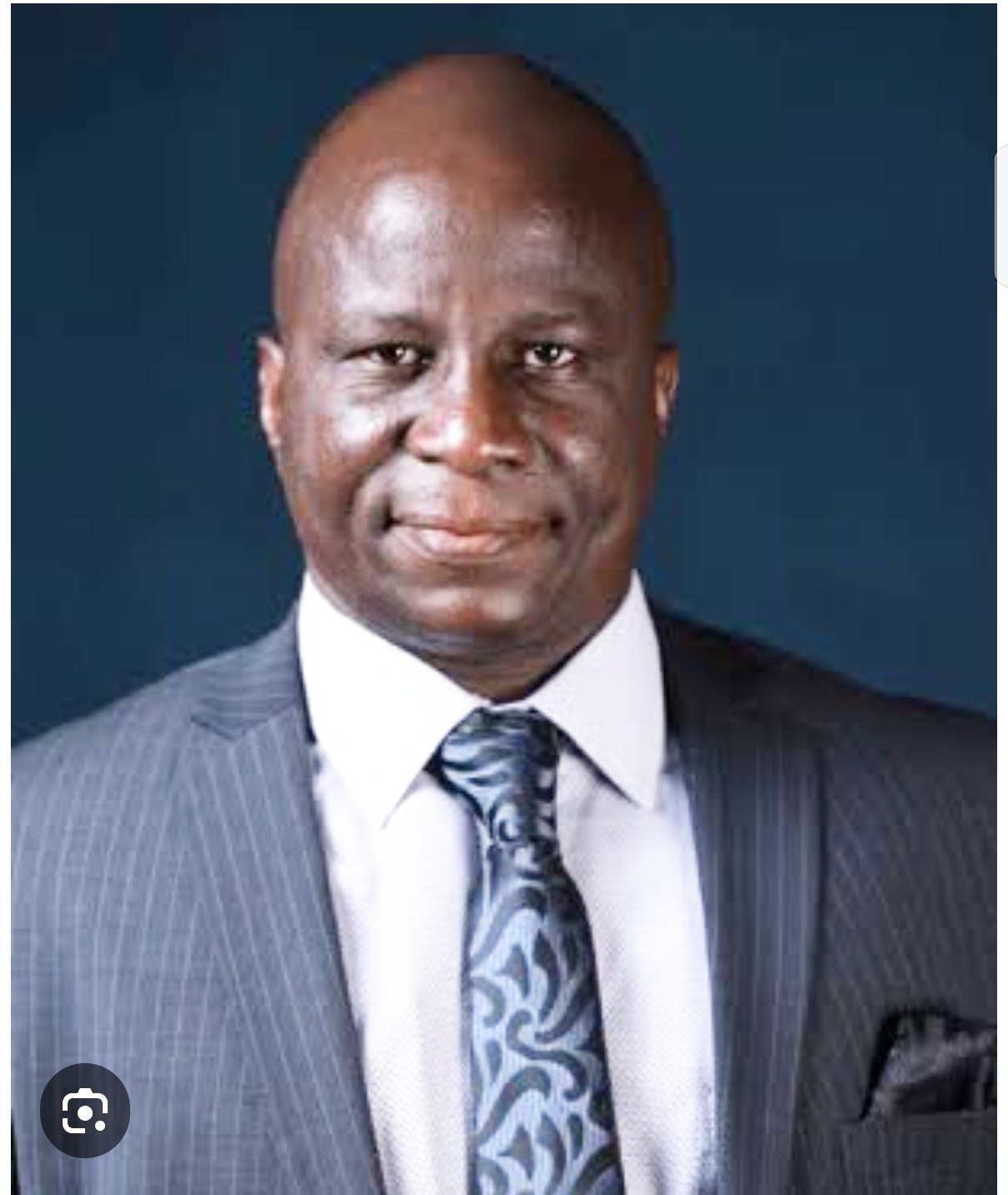
Prof. Ogheneruonah Eghweree
By Francis Sadhere, Warri
Civic leaders in Oghara Kingdom on Wednesday declared that escalating banditry-induced violence has pushed one of Delta State’s key oil and educational hubs into crisis, citing the recent abduction of a couple, the killing of the husband, and the ransom release of his wife as a “deeply disturbing deterioration” in public security.
The Oghara Study Group (OSG), a civic and advocacy platform for Ethiope West LGA, issued the warning at a global press briefing, stating that what was once considered “one of Delta State’s relatively peaceful communities” now faces organized criminal violence threatening “lives, livelihoods, investment, food security, and social cohesion.”
Oghara Kingdom, described as the historic “Gateway to Urhoboland,” sits astride the Warri–Sapele corridor and hosts Delta State University Teaching Hospital (DELSUTH), Delta State Polytechnic Otefe-Oghara, Western Delta University, and long-standing oil operations including Pan Ocean, NPDC, and Prudent Energy. The kingdom is governed under the Ovie, His Majesty Orefe III, and comprises the Oghareki and Ogharefe sub-clans.
According to OSG, independent media reports and community accounts document a recurring pattern of insecurity it characterizes as “banditry-induced violence in the broad sense.” That includes armed cult clashes with police recoveries of assault rifles, kidnapping-for-ransom targeting residents and visitors to Western Delta University, ritual and cult-linked killings near Koko Junction and university areas, armed raids on tertiary institution premises, and violent crime along the Warri–Sapele Expressway.
“The Warri–Sapele Expressway leading into Oghara has been repeatedly flagged by residents and civic voices as a corridor of extortion, harassment, and violent crime affecting travelers,” OSG stated.
The group said specific, time-stamped incidents prompting the briefing are documented in a verified incident log compiled by OSG field officers and the Palace. That log will be updated as verification continues.
OSG outlined the human and socio-economic toll: families suffering “irreplaceable loss” without adequate psychosocial support, threats to oil and gas operations, agriculture, and the institutions anchoring Oghara’s economy, and restricted mobility that has curtailed commerce, schooling, and worship. Repeated incidents despite police presence have “weakened trust in security architecture,” the group said.
Rejecting narratives that blame the community, OSG argued that the persistence of violence “reflects a wider failure of coordinated security governance across Nigeria’s federating units, rather than the failure of any single agency.” It called for recognition of Oghara’s traditional institution and civic structures as “legitimate partners — not bystanders — in the design and delivery of local security.”
The briefing issued a three-tier call to action:
Federal Government: Deploy additional Nigeria Police Force and, where justified, joint military/police personnel to secure the Warri–Sapele corridor and Oghara’s institutional clusters; direct security agencies to conduct a rapid, transparent investigation into recent killings and kidnappings with findings shared with the Palace and OSG; extend federal safe-schools security support to Oghara’s tertiary institutions.
Delta State Government: Reinforce the Delta State Police Command’s Oghara/Sapele divisional capacity with personnel, patrol vehicles, and rapid-response equipment; formally integrate community vigilante networks into the state’s security architecture with clear rules of engagement; commission an independent security and socio-economic impact assessment of banditry in Ethiope West LGA.
Ethiope West Local Government Council: Convene an emergency security summit with the Palace, OSG, vigilantes, religious bodies, and security agencies; support street lighting, communication, and rapid-alert infrastructure in high-risk areas; establish a standing LGA–community security liaison desk.
OSG invited development partners and human rights observers to note the pattern as part of the wider Niger Delta security picture and encouraged international media to engage the group directly for verified, on-the-record briefings.
“The Oghara Study Group issues this briefing not as an alarmist account but as a considered civic appeal grounded in the lived experience of the Oghara people,” the statement read. “OSG remains committed to peace, dialogue, and constructive engagement with all tiers of government and stands ready to work with security agencies, development partners, and the media to restore lasting safety to Oghara Kingdom.”