By Francis Sadhere, Warri
In the riverine heart of Delta State, where the creeks wind like ancient stories and the tides echo ancestral voices, the 2026 Gbaraun -Egbesu Ibolomobo-Ere and Amaseikumo Festival unfolded with grandeur, spirituality, and a deep sense of identity among the people of Gbaramatu Kingdom in Warri South West Local Government Area of Delta State.
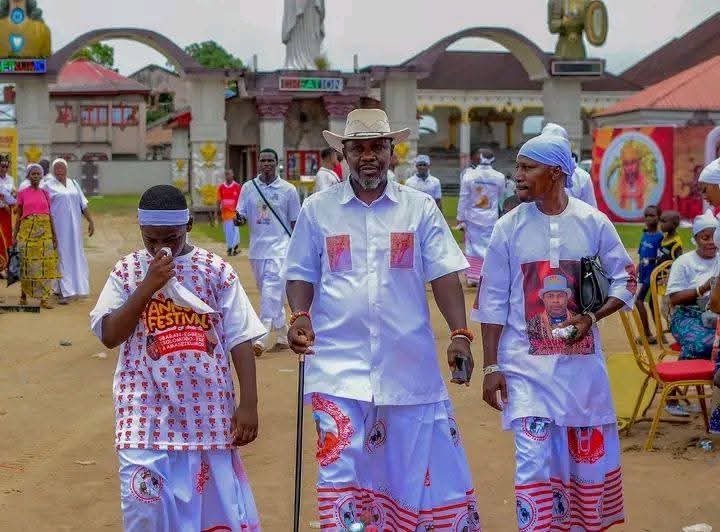
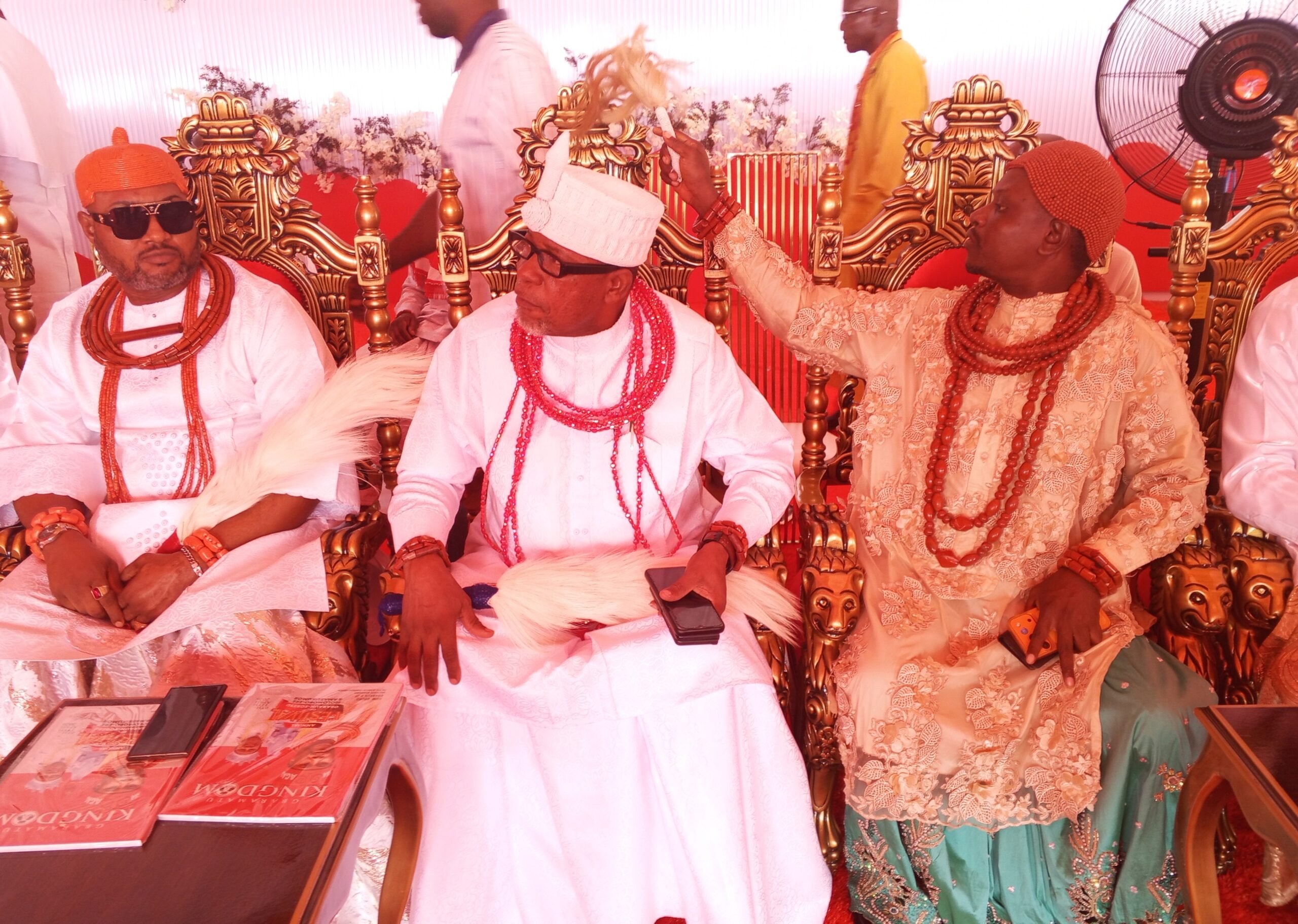
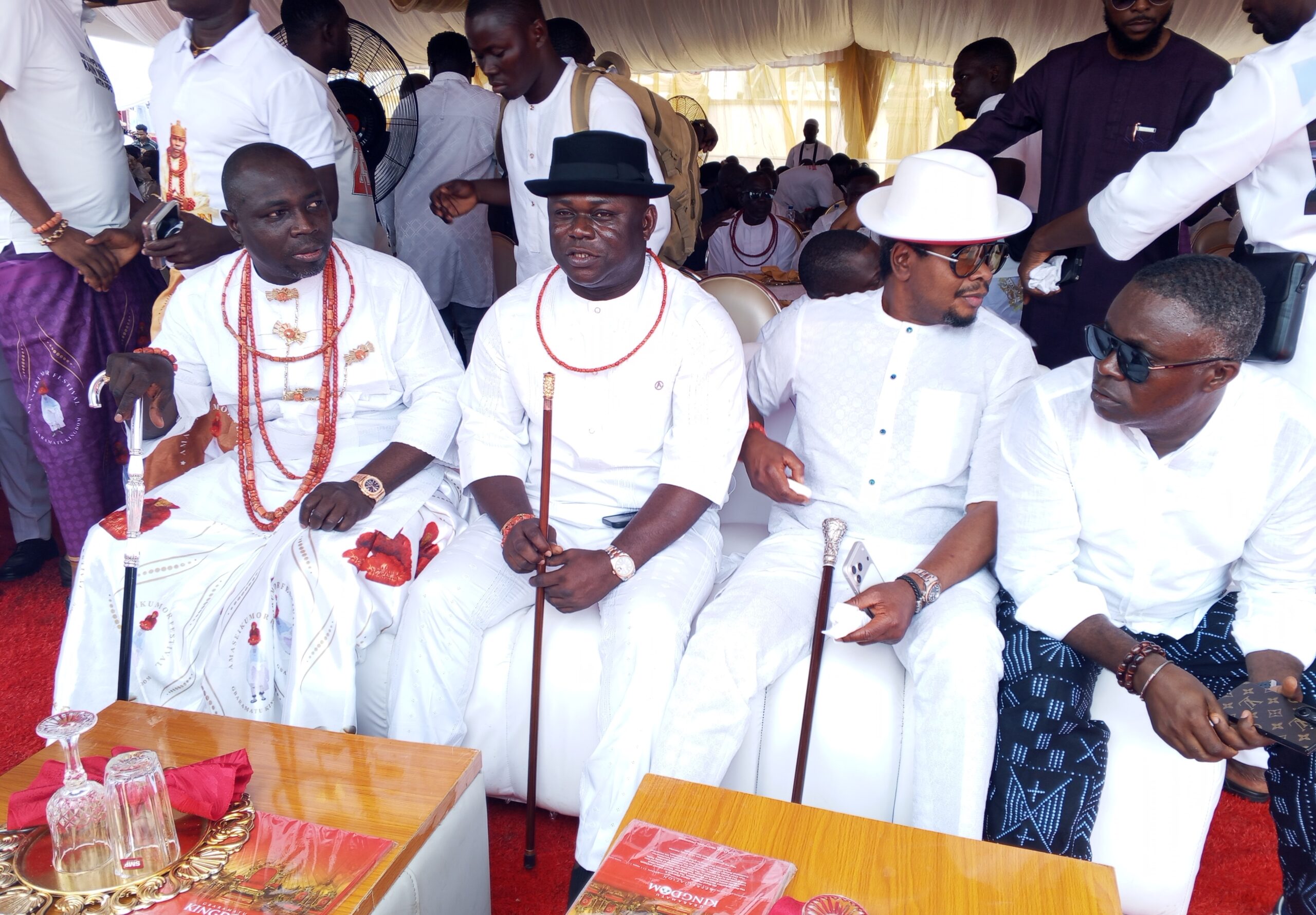
Held in Oporoza—the traditional headquarters of the kingdom—the festival drew indigenes, monarchs across Delta State, politicians, NBA president cultural enthusiasts, and visitors from across Nigeria and beyond, transforming the serene community into a vibrant theatre of tradition.
A Festival Rooted in Spirit and Identity
The Amaseikumo Festival is more than a cultural celebration; it is a sacred convergence of spirituality, history, and communal pride. Known among the Ijaw people of Gbaramatu as a period of cleansing, protection, and renewal, the festival reflects their deep connection to ancestral forces and deities, particularly the revered Egbesu.
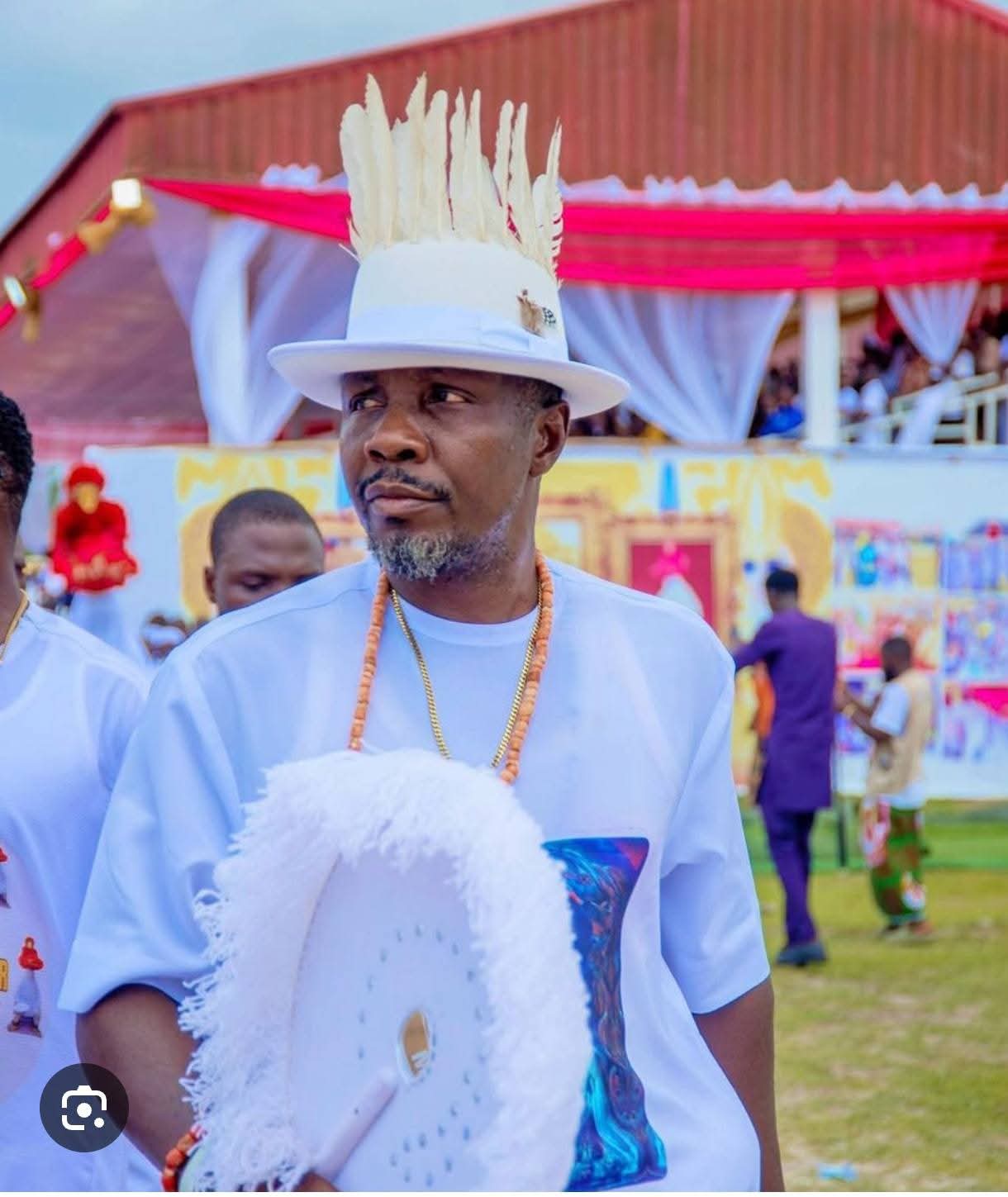
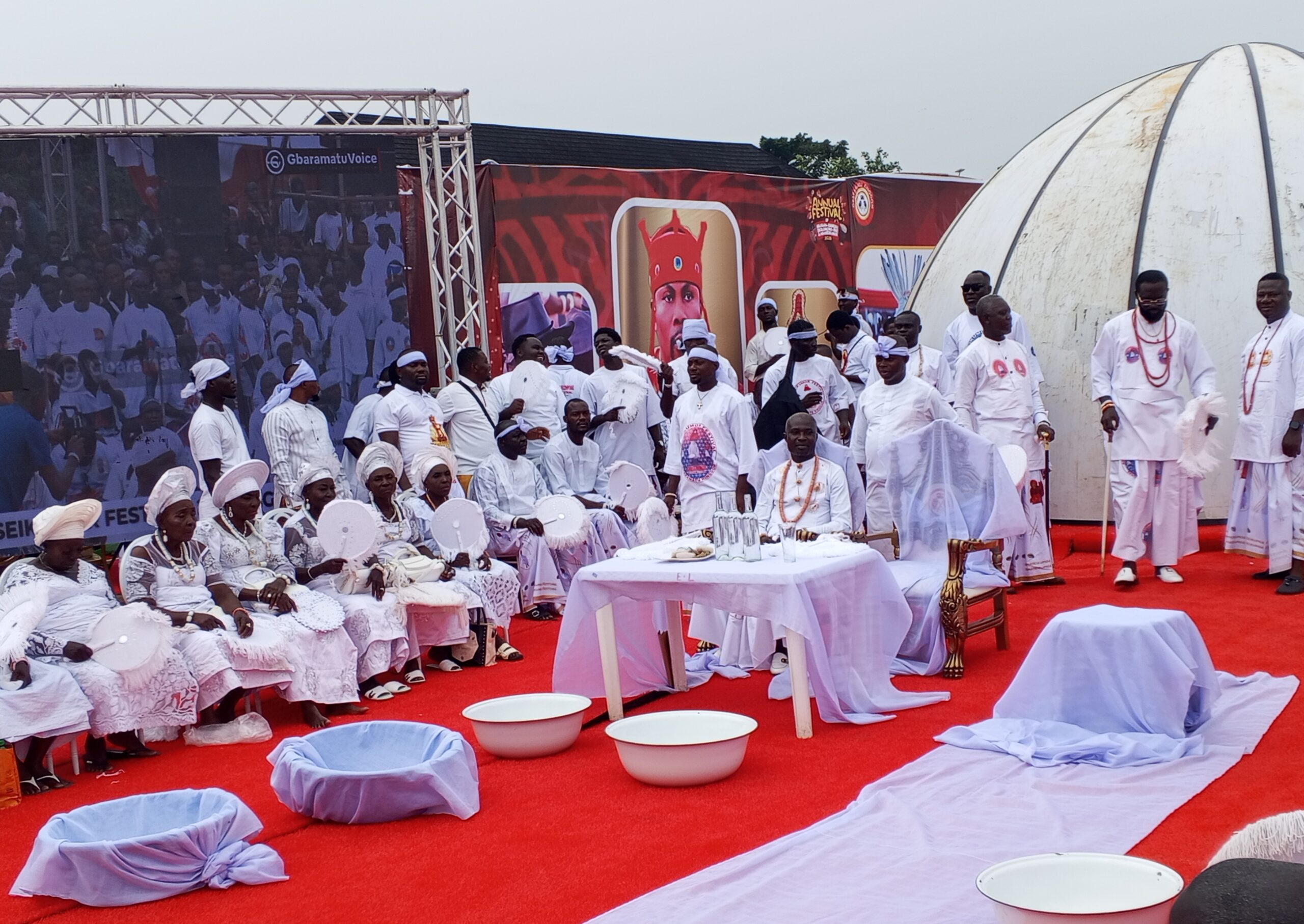
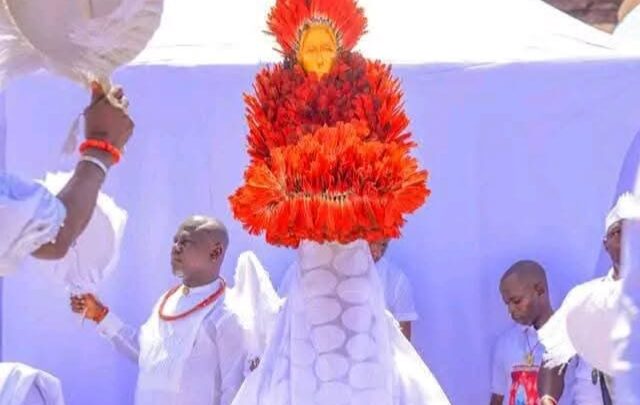
From the opening rites to the grand finale, which took place from on the 6 to 7 of April 2026, every activity is symbolic. Traditional priests, adorned in white and sacred insignia, performed rituals believed to purify the land and fortify the people against misfortune. These rites reaffirmed the community’s enduring faith in their spiritual guardians.
The 2026 edition, which ran through the first half of April, was described as the “heartbeat of Gbaramatu culture,” bringing together tradition, unity, and blessings in a powerful display of heritage.
The Pulse of Celebration
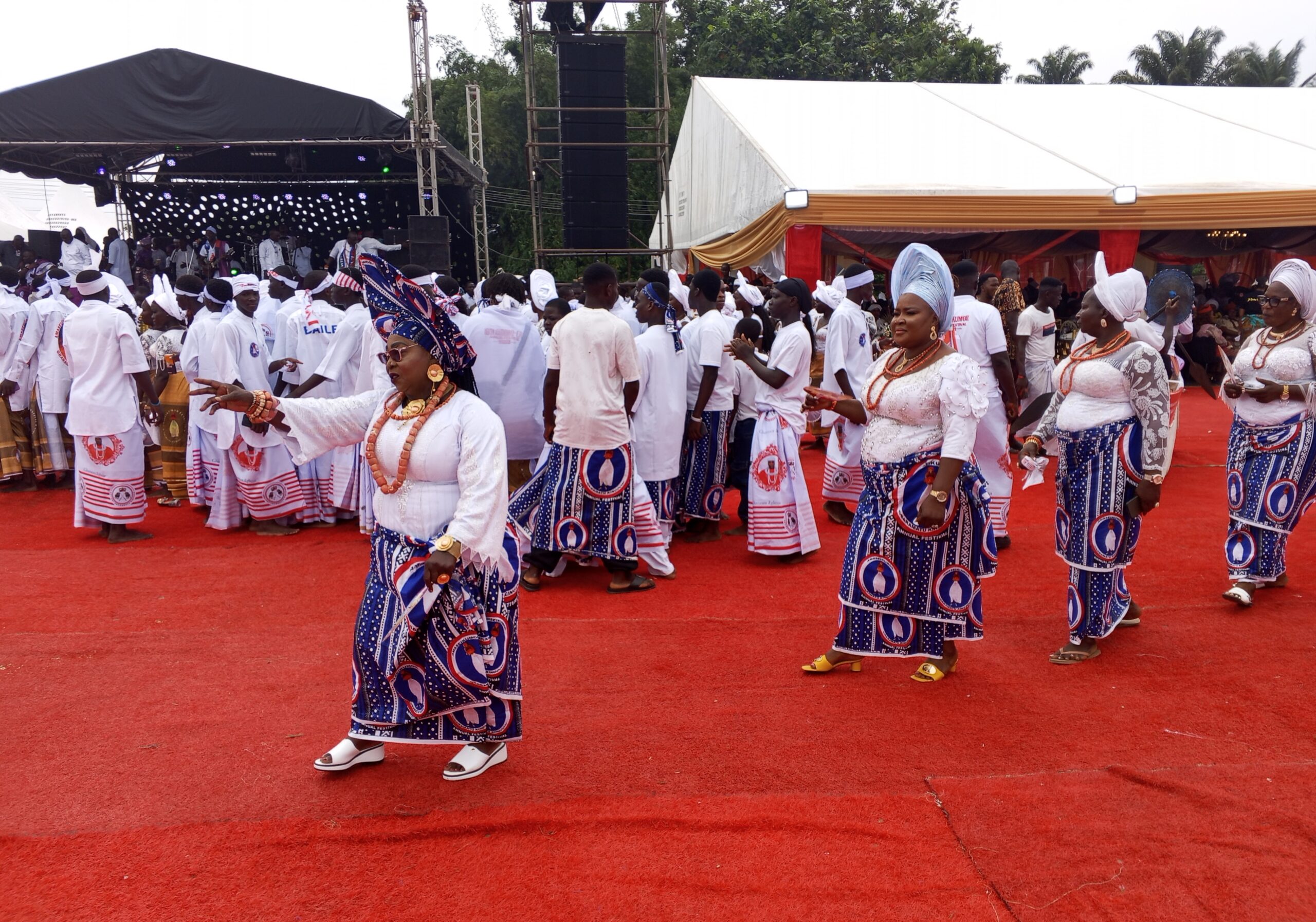
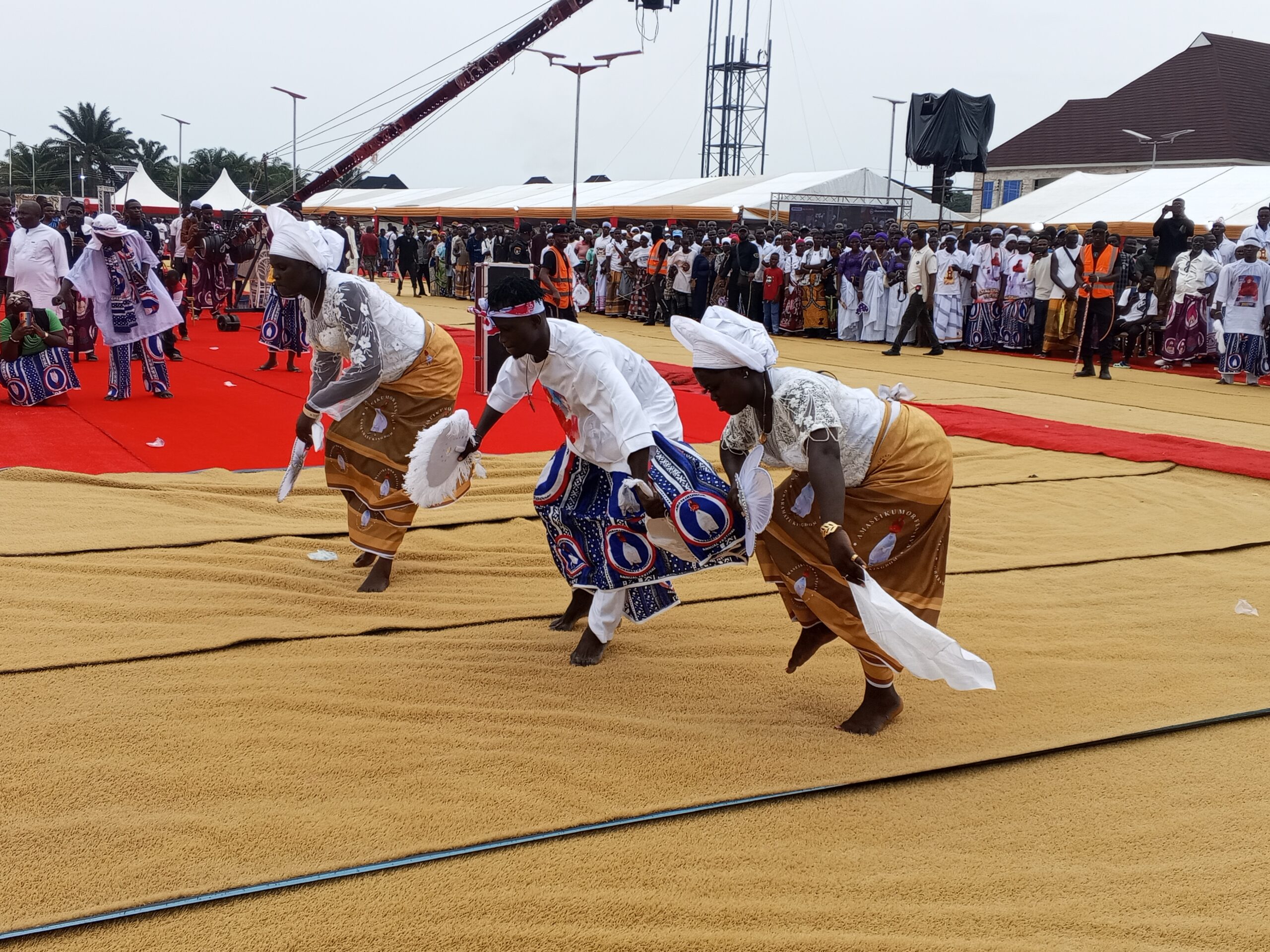
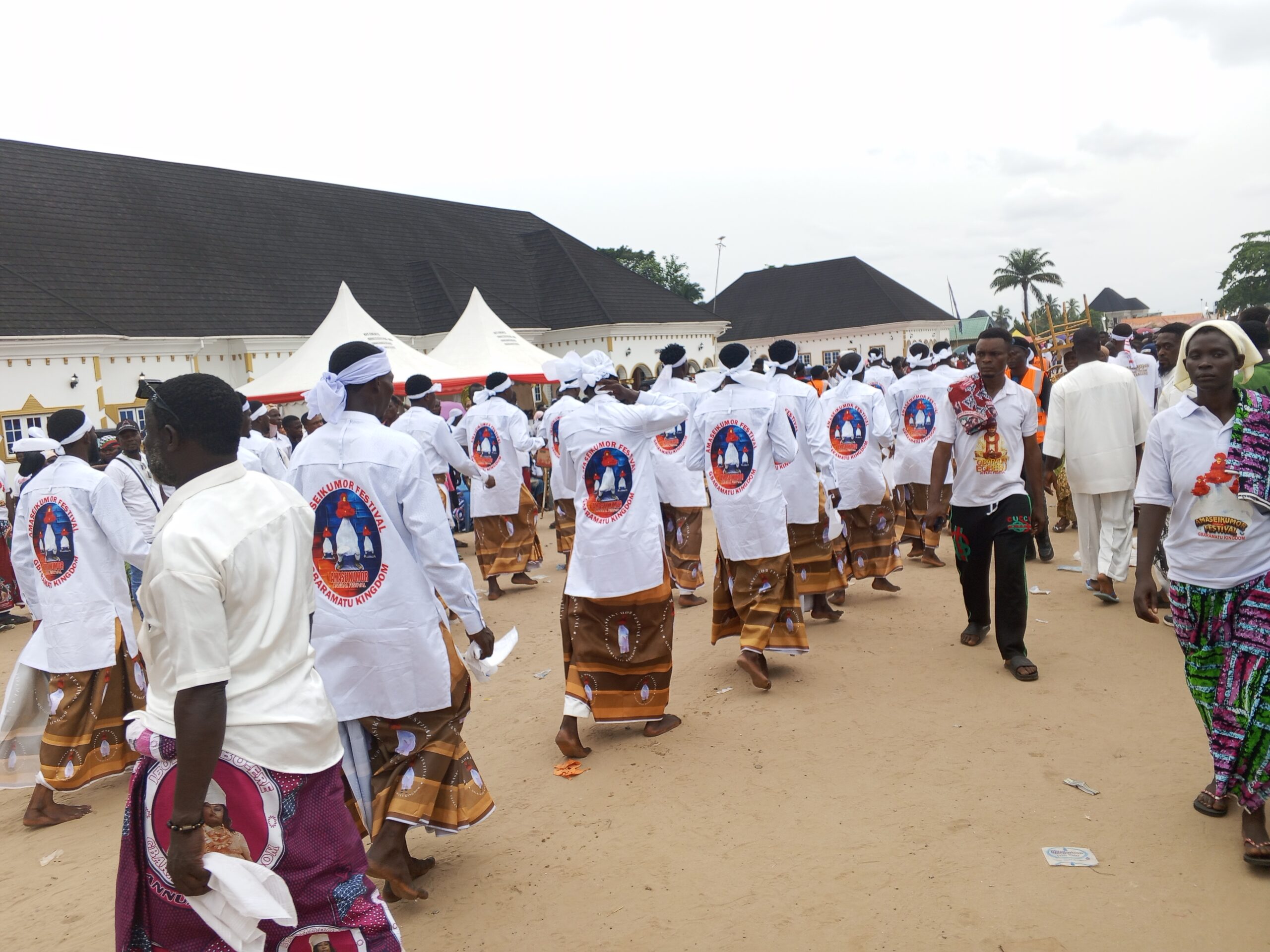
As dawn broke each day, the quiet creeks gave way to the rhythmic sounds of drums, chants, and gun salutes. Cultural troupes from various communities within Gbaramatu performed energetic dances, each narrating stories of migration, warfare, and survival.
One of the highlights was the Egbesu Day, a spiritually charged segment of the festival that celebrated the warrior heritage of the people. Youths clad in traditional attire, with symbolic body markings and amulets, paid homage through displays of strength and discipline—an echo of ancient times when warriors defended the land.
Masquerades—believed to embody ancestral spirits—moved through the crowds with authority and mystique. Their presence commanded reverence, reminding spectators that the line between the physical and spiritual realms is thin during Amanseikumo.
Unity Across Creeks and Generations
What stood out in the 2026 festival was its ability to bridge generations. Elders shared oral histories, recounting the origins of the kingdom and the significance of each ritual, while youths embraced their heritage with renewed pride.
Families reunited. Sons and daughters of the kingdom returned home. For many, Amaseikumo was not just a festival—it was a homecoming.
“All roads lead to Oporoza,” became more than a phrase; it was a reality as the kingdom welcomed a surge of visitors throughout the celebration.
Culture as a Living Force
Beyond the spectacle, the festival served as a reminder that culture is not static—it lives, evolves, and binds people together. The Amaseikumo Festival continues to play a crucial role in preserving the identity of the Gbaramatu people in a rapidly changing world.
In an era where modernization often challenges indigenous traditions, the people of Gbaramatu have chosen preservation over erasure. Through Amaseikumo, they tell their story—loud, proud, and unbroken.
The Grand Finale: A Kingdom in Full Glory
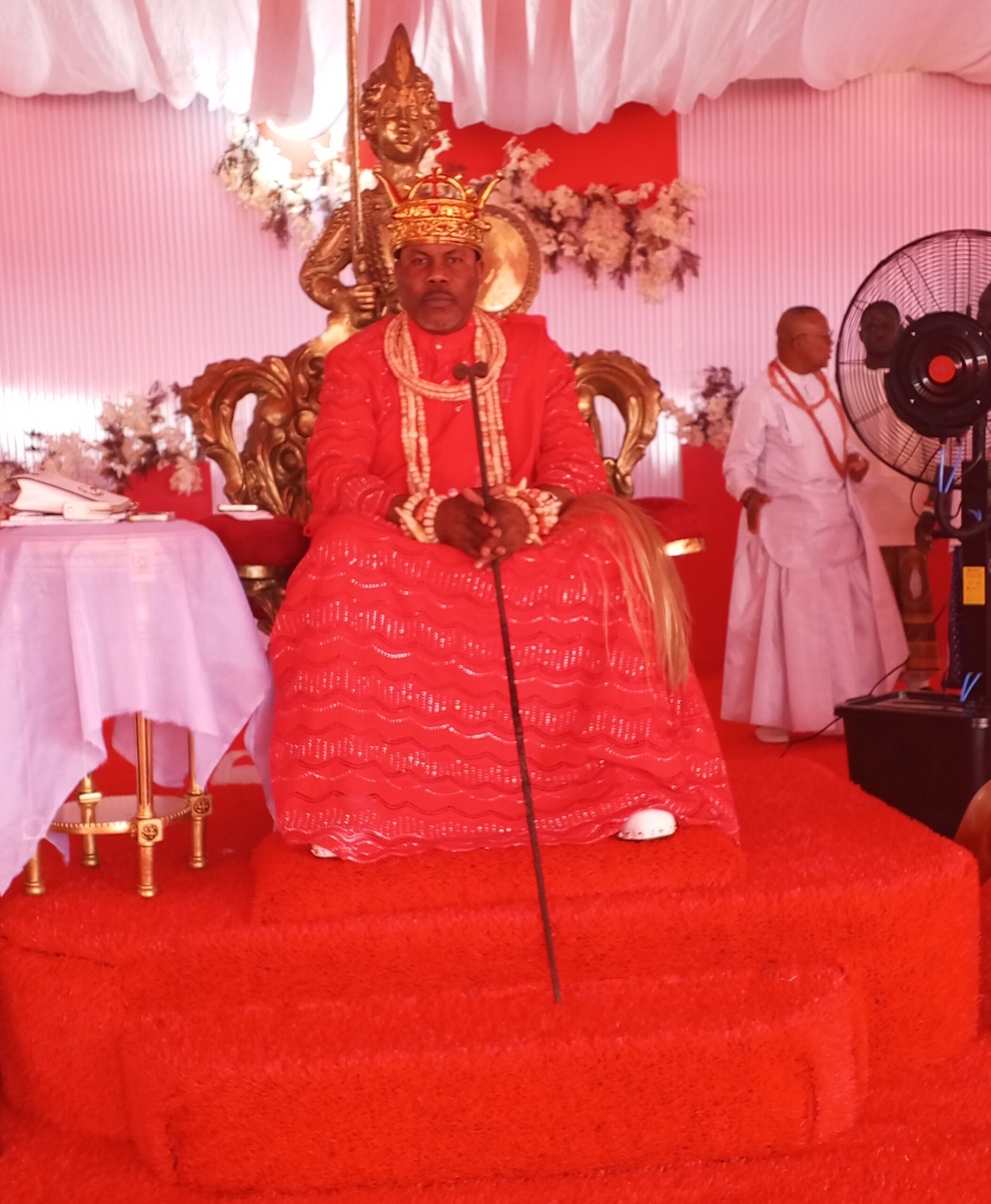
The closing ceremony was nothing short of breathtaking. His Majesty Oboro Gbaraun II, JP, Aketekpe Agadagba, the Pere of Ancient Gbaramatu Kingdom played to host to different monarchs across Delta State, chiefs in regal attire, community leaders, and cultural custodians who gathered in unity, marking the end of the festival with prayers, blessings, and celebrations.
It was a moment of reflection and renewal—a reaffirmation that despite the tides of change, the spirit of Gbaramatu remains anchored in its traditions.
As the drums slowly faded and the crowds dispersed, one thing was clear: Amaseikumo is not just an event. It is the soul of a people—alive in every chant, every dance, and every sacred rite.