By Our Correspondent, Warri
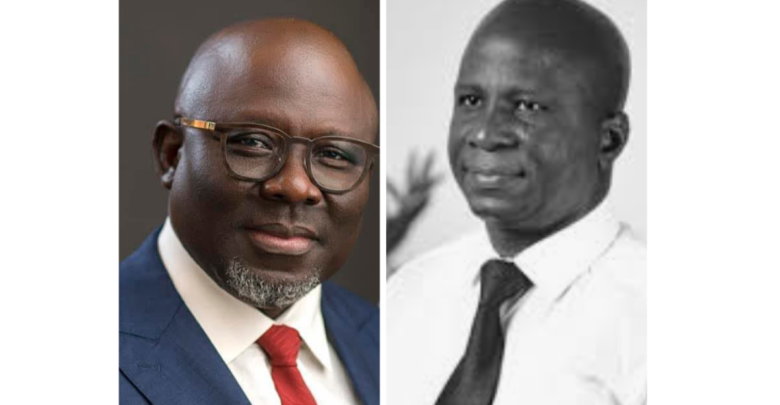
Rev. David Ugolor, publisher of The Common Good Letter, has called on Delta State Governor Sheriff Oborevwori to address flooding, deteriorating roads, inadequate drainage and concerns over investment in the Delta State University Teaching Hospital, Oghara.
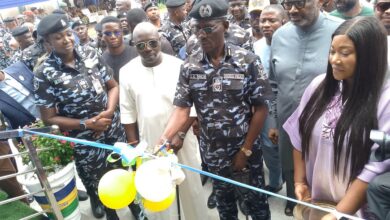
Ugolor made the appeal ahead of the governor’s visit to commission the Oghareki Model Technical College, describing the occasion as an opportunity for the state government to listen to the concerns of residents and provide concrete solutions to the challenges confronting the community.
In a public appeal titled “Oghara Must Speak Truth to Power Today,” Ugolor urged the Ovie of Oghara, the Onugbrogodo, the councils of chiefs of Ogharefe and Oghareki, religious leaders, women and youth representatives to use the governor’s visit to present the pressing needs of the people.
He said while the commissioning of the technical college was worth celebrating as an investment in education, the ceremony should not overshadow the difficulties faced by residents and businesses, particularly those affected by flooding.
According to him, families and business owners struggling with the effects of flooding require practical assistance and a clear commitment from the government rather than speeches and ceremonial activities.
Ugolor called on the governor and Ethiope West Local Government Council to explain what immediate relief measures would be provided to affected households and businesses.
He also urged the authorities to assess the drainage network and natural water catchments in Oghara, including concerns about the possible effect of naval fencing on water flow in the area.
The publisher further called for the commencement of a properly funded flood-control programme, with clear timelines and designated officials responsible for implementation.
Raising concerns over public expenditure, Ugolor drew attention to a N20 million budgetary provision made in 2024 for flood and erosion control measures in Oghara, which he said recorded zero expenditure in the year-end performance report.
He asked the state government to explain why no expenditure was recorded against the budget line and clarify whether the project was delayed, cancelled or transferred to another budget provision.
Ugolor urged the authorities to publish relevant financial records to enable residents to understand the status of the proposed intervention and hold public officials accountable.
On local government finances, he called for the publication of Ethiope West Local Government Council’s annual receipts, deductions, contracts and expenditure, particularly for the 2024 and 2025 fiscal years.
He further advocated an independent investigation into any credible allegations of diversion or misuse of public funds, with the findings made available to the public.
The publisher also called for greater transparency in the use of Delta State’s 13 per cent oil derivation revenue and related development funds, asking the government to identify projects financed through the revenue in Oghara and other parts of Ethiope West.
He said a costed development plan covering roads, drainage infrastructure and the Delta State University Teaching Hospital should be published to provide residents with a clear picture of government priorities, funding commitments and implementation schedules.
Ugolor urged traditional rulers, religious leaders and youth representatives to seek specific commitments from the governor, including the identification of responsible government officials and deadlines for action.
He maintained that residents affected by flooding and other infrastructure challenges deserved to have their concerns heard, irrespective of political affiliations.
“Political allies may offer praise; those living with floodwater must also be heard,” he said in the appeal.
He called on Oborevwori to listen to residents beyond the commissioning ceremony and ensure that the visit marked the beginning of tangible relief, transparent public accounting and sustained investment in Oghara.
The appeal stresed the need to translate government visits and public ceremonies into measurable development outcomes that address the everyday challenges facing communities.
Rev. David Ugolor, publisher of The Common Good Letter, has called on Delta State Governor Sheriff Oborevwori to address flooding, deteriorating roads, inadequate drainage and concerns over investment in the Delta State University Teaching Hospital, Oghara.
Ugolor made the appeal ahead of the governor’s visit to commission the Oghareki Model Technical College, describing the occasion as an opportunity for the state government to listen to the concerns of residents and provide concrete solutions to the challenges confronting the community.
In a public appeal titled “Oghara Must Speak Truth to Power Today,” Ugolor urged the Ovie of Oghara, the Onugbrogodo, the councils of chiefs of Ogharefe and Oghareki, religious leaders, women and youth representatives to use the governor’s visit to present the pressing needs of the people.
He said while the commissioning of the technical college was worth celebrating as an investment in education, the ceremony should not overshadow the difficulties faced by residents and businesses, particularly those affected by flooding.
According to him, families and business owners struggling with the effects of flooding require practical assistance and a clear commitment from the government rather than speeches and ceremonial activities.
Ugolor called on the governor and Ethiope West Local Government Council to explain what immediate relief measures would be provided to affected households and businesses.
He also urged the authorities to assess the drainage network and natural water catchments in Oghara, including concerns about the possible effect of naval fencing on water flow in the area.
The publisher further called for the commencement of a properly funded flood-control programme, with clear timelines and designated officials responsible for implementation.
Raising concerns over public expenditure, Ugolor drew attention to a N20 million budgetary provision made in 2024 for flood and erosion control measures in Oghara, which he said recorded zero expenditure in the year-end performance report.
He asked the state government to explain why no expenditure was recorded against the budget line and clarify whether the project was delayed, cancelled or transferred to another budget provision.
Ugolor urged the authorities to publish relevant financial records to enable residents to understand the status of the proposed intervention and hold public officials accountable.
On local government finances, he called for the publication of Ethiope West Local Government Council’s annual receipts, deductions, contracts and expenditure, particularly for the 2024 and 2025 fiscal years.
He further advocated an independent investigation into any credible allegations of diversion or misuse of public funds, with the findings made available to the public.
The publisher also called for greater transparency in the use of Delta State’s 13 per cent oil derivation revenue and related development funds, asking the government to identify projects financed through the revenue in Oghara and other parts of Ethiope West.
He said a costed development plan covering roads, drainage infrastructure and the Delta State University Teaching Hospital should be published to provide residents with a clear picture of government priorities, funding commitments and implementation schedules.
Ugolor urged traditional rulers, religious leaders and youth representatives to seek specific commitments from the governor, including the identification of responsible government officials and deadlines for action.
He maintained that residents affected by flooding and other infrastructure challenges deserved to have their concerns heard, irrespective of political affiliations.
“Political allies may offer praise; those living with floodwater must also be heard,” he said in the appeal.
He called on Oborevwori to listen to residents beyond the commissioning ceremony and ensure that the visit marked the beginning of tangible relief, transparent public accounting and sustained investment in Oghara.
The appeal stresed the need to translate government visits and public ceremonies into measurable development outcomes that address the everyday challenges facing communities.